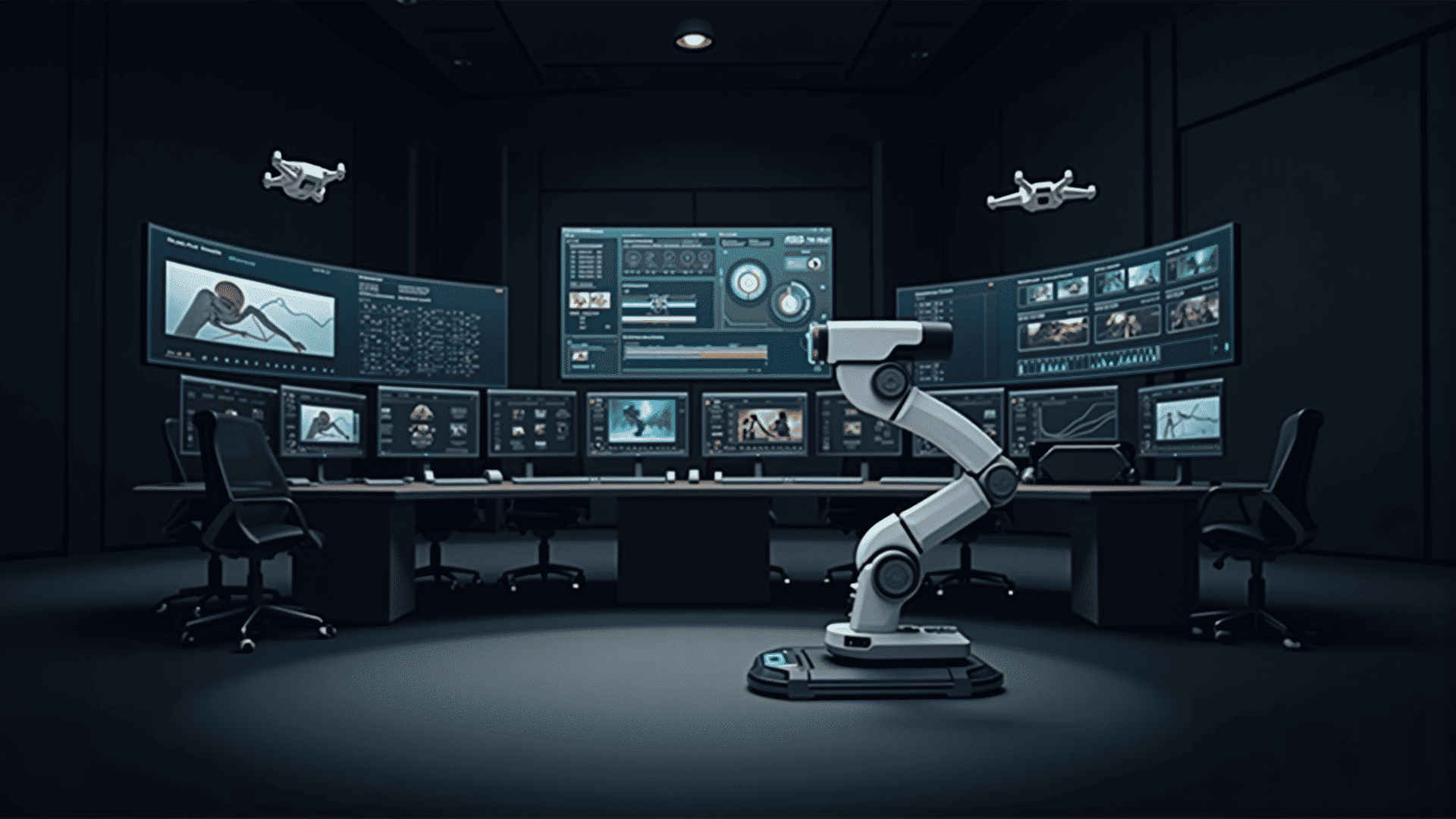
In recent years, the creative landscape has experienced a profound transformation, largely driven by advances in automated processes powered by intelligent systems. The integration of these modern technologies into the video creation workflow is reshaping the way content is produced, making it more efficient and accessible for creators across the globe.
Central to this innovation is the capability to streamline video creation from the initial concept through to the final editing stages. This technology empowers creators to envision and execute their ideas with unprecedented precision and speed. By utilizing advanced algorithms, systems can now automatically organize and prioritize production tasks, ensuring that every step, from scripting to shooting, aligns perfectly with the creative vision.
In the pre-production phase, systems equipped with language processing capabilities can assist in crafting scripts that resonate with target audiences. They can generate outlines and provide suggestions based on current trends, making the content more relatable and engaging. This is particularly helpful in brainstorming sessions, allowing creators to explore a wide array of possibilities before honing in on the most compelling concept.
As we move into the production phase, the application of this technology continues to offer substantial benefits. Intelligent systems can optimize shooting schedules, allocate resources efficiently, and even maintain quality control by monitoring footage in real-time. This results in a smoother production process, minimizing downtime and maximizing output without compromising the quality of the final product.
In the post-production phase, the true potential of these automated tools becomes evident. Editing, once a meticulous and time-consuming task, is now significantly expedited. Systems can sort through hours of footage, selecting the best clips based on predetermined criteria. Moreover, they can seamlessly apply filters, correct colors, and synchronize sound with minimal human intervention, reducing the workload on editors and allowing them to focus on more creative aspects of the project.
For creators, this not only enhances productivity but also democratizes the video creation process, enabling smaller teams and independent artists to produce high-quality content that was once achievable only by larger entities.
As these technologies continue to evolve, the role of the creator is also changing. While intelligent systems handle repetitive and technical tasks, humans are free to focus on creativity, intuition, and storytelling—elements that remain uniquely human. This symbiosis of human creativity and machine efficiency is paving the way for a new era in content production, where ideas can be realized faster and more effectively than ever before.
Ultimately, automated video production tools are not just changing the way content is made; they are redefining what is possible for creators. As these tools become more sophisticated, we can expect even more groundbreaking content to emerge, inspiring audiences and creators alike in this fascinating digital age.